
Why Your Small Business Needs Professional Graphic Design From Day One
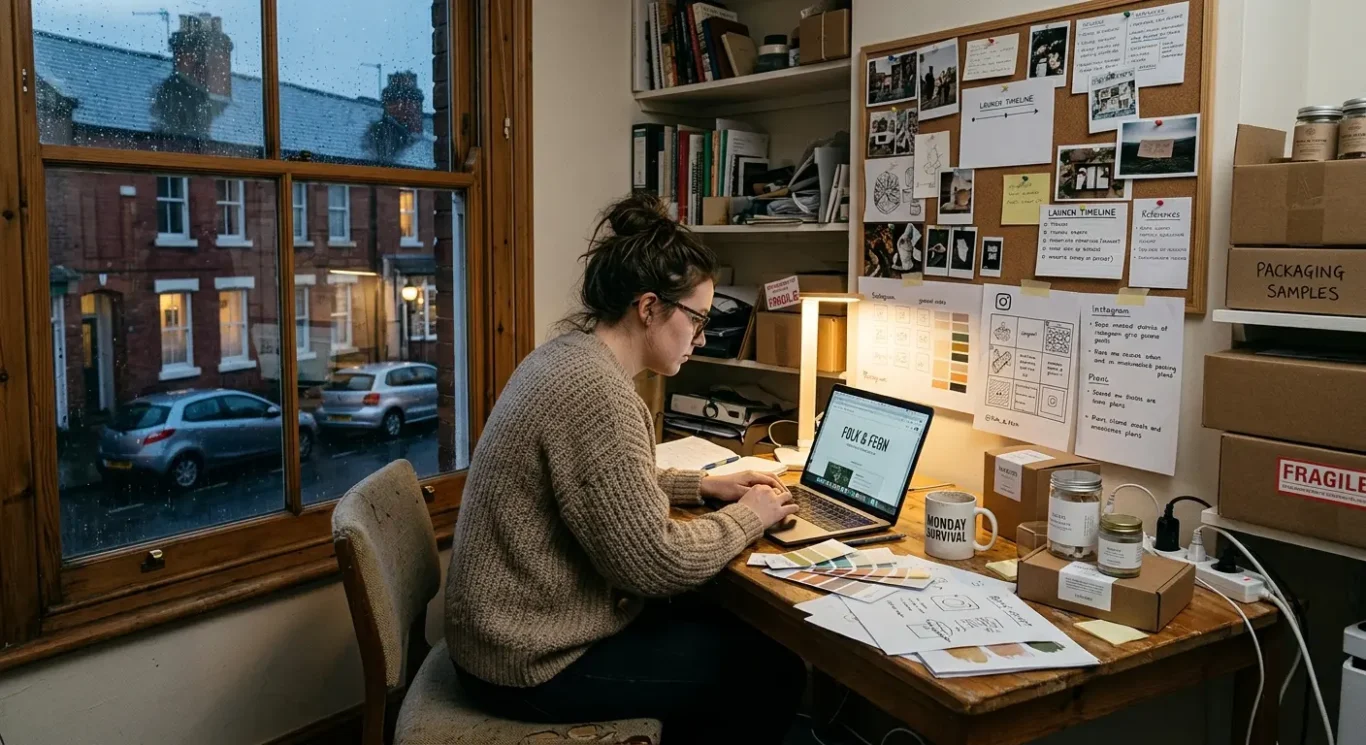
You can picture the moment. A founder is trying to get the business live before Monday, pulling together a logo in a DIY tool, posting social graphics that do not quite match, and putting a basic website online just to have something there. It is completely understandable, especially when time and budget are tight. Most small businesses start with a long to-do list and a strong urge to keep costs down. But design choices made in that first rush can shape how credible, clear and trustworthy the business looks from day one. In this article, we will take a practical look at why professional graphic design early on can make trading smoother, help customers feel more confident, and often save time, money and hassle later – which, if you are already juggling everything else, matters more than most people expect.
First impressions happen before you speak
Before anyone reads the detail, your design is already telling them whether your business looks clear, careful and worth their time.
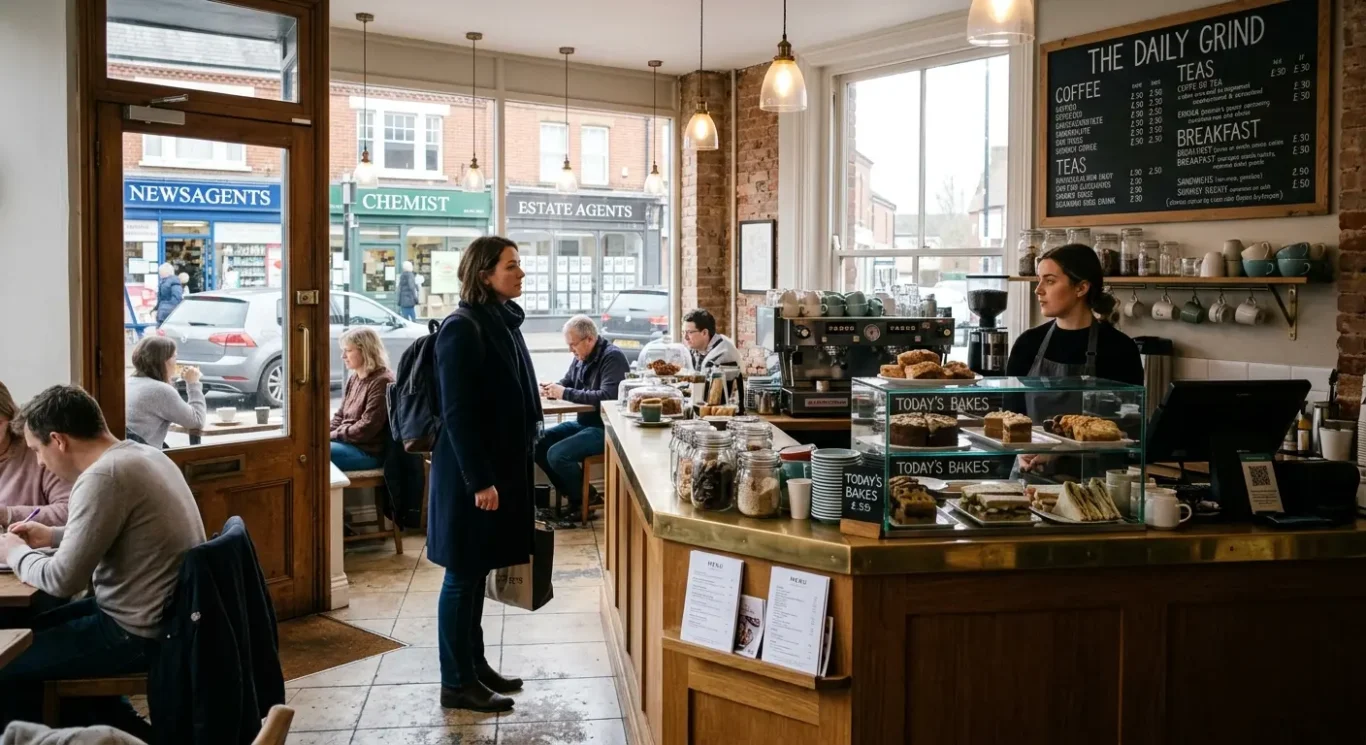
Most people make an early judgement about a business long before they speak to anyone. They glance at a homepage, a social profile, a proposal, a menu or a leaflet and decide whether the business feels established, organised and trustworthy. That judgement is not only about whether something looks nice. It is about whether the design feels considered, easy to follow and consistent enough to suggest that the business knows what it is doing.
Small details send big signals
Think about a local café menu. If the type is hard to read, the spacing is cramped and the prices are scattered about, customers can feel unsure before they order. The same applies to a consultant’s LinkedIn banner or a startup website homepage. If the message is vague, the colours clash or the layout feels rushed, people may wonder whether the service will be the same. On the other hand, when these touchpoints feel tidy, clear and joined up, the business looks more dependable straight away.
This is why good design is not decoration. It helps people understand what you offer quickly. A strong homepage shows who you help and what to do next. A well-designed proposal makes key information easy to scan. Packaging and printed materials can make a product feel more professional before it is even used. Good design reduces friction – meaning fewer little moments of confusion that make people hesitate.
DIY tools can be useful for getting started, and many business owners use them with the best intentions. The challenge is that templates do not always reflect your business properly, especially when you are moving fast and making design decisions on the fly. Professional design brings clarity as well as polish. It makes sure the first impression matches the quality of the service behind it, which is especially important when you are asking new customers to trust a business they have only just discovered.
Professional design makes a small business look credible
A clear and consistent look helps even a very small team seem organised, reliable and ready to do business.
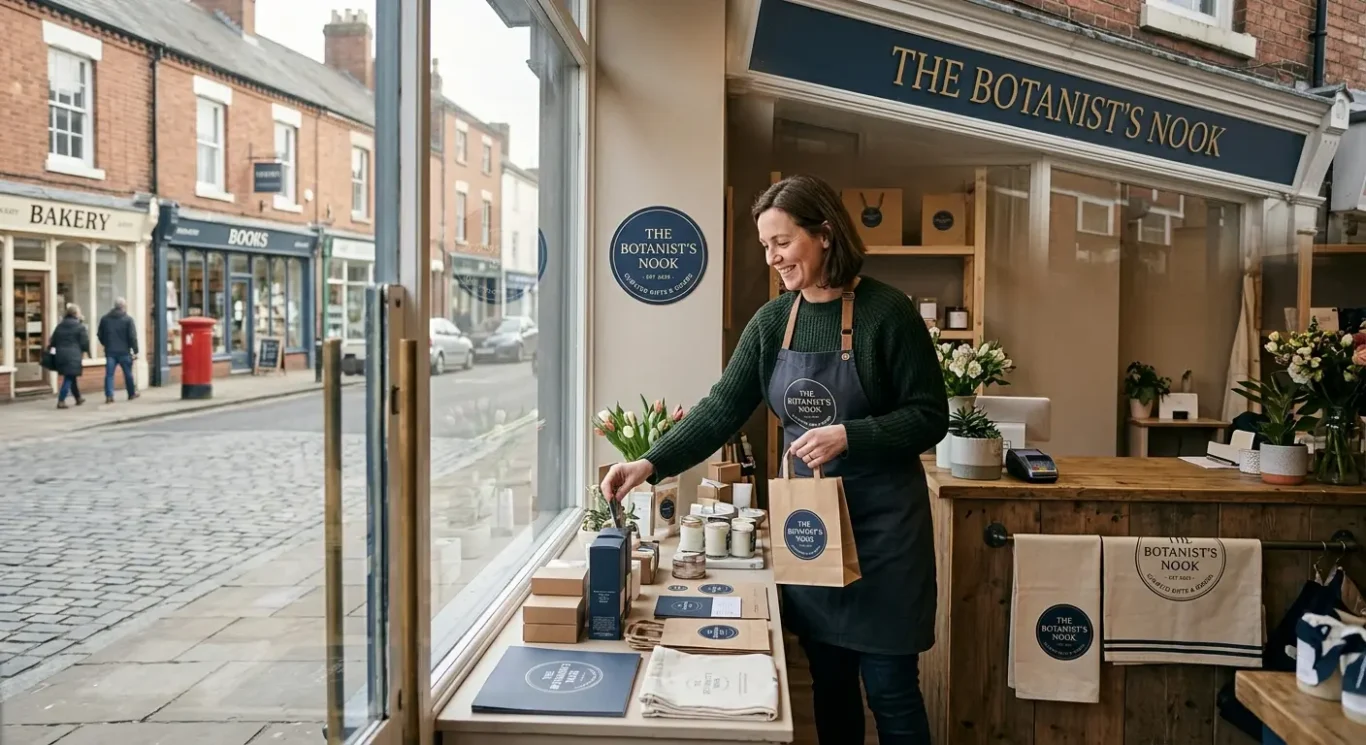
When a business is new, customers often have very little else to go on. They may not know your track record yet, so they look at the signals in front of them. A well-designed logo, a consistent colour palette, thoughtful typography – meaning the style and appearance of text – and a clean layout all work together to create a joined-up identity. That consistency makes the business feel more settled and more trustworthy, whether someone finds you on your website, sees your proposal or opens a brochure.
Consistency matters in everyday touchpoints
It is rarely one big design element that shapes credibility. More often, it is the combination of small things being handled well. The same logo used properly, colours that do not change from one document to the next, type that is easy to read, and layouts that guide the eye sensibly all help people feel they are dealing with a business that pays attention. For a busy customer, that can be the difference between feeling reassured and feeling unsure.
Take a new service business sending out quotes and proposals. One version uses a stretched logo copied from a social media profile, three different fonts, mismatched colours and headings that jump about from page to page. The information may still be correct, but it feels pieced together. Another version uses a clear logo, consistent colours, readable text and a layout that makes pricing, timings and next steps easy to find. That second proposal does not promise more than the business can deliver, but it does make the business look prepared and professional.
That matters because credibility affects ordinary customer decisions every day. People are more likely to enquire when the website looks coherent, more likely to book when materials feel dependable, and more likely to request a quote when the business appears clear and organised. Professional design does not replace good service, but it helps present your business in a way that gives people confidence to take the next step.
Trust is built through consistency
When your business looks and sounds familiar at each customer touchpoint, people feel more confident they are dealing with the same company every time.
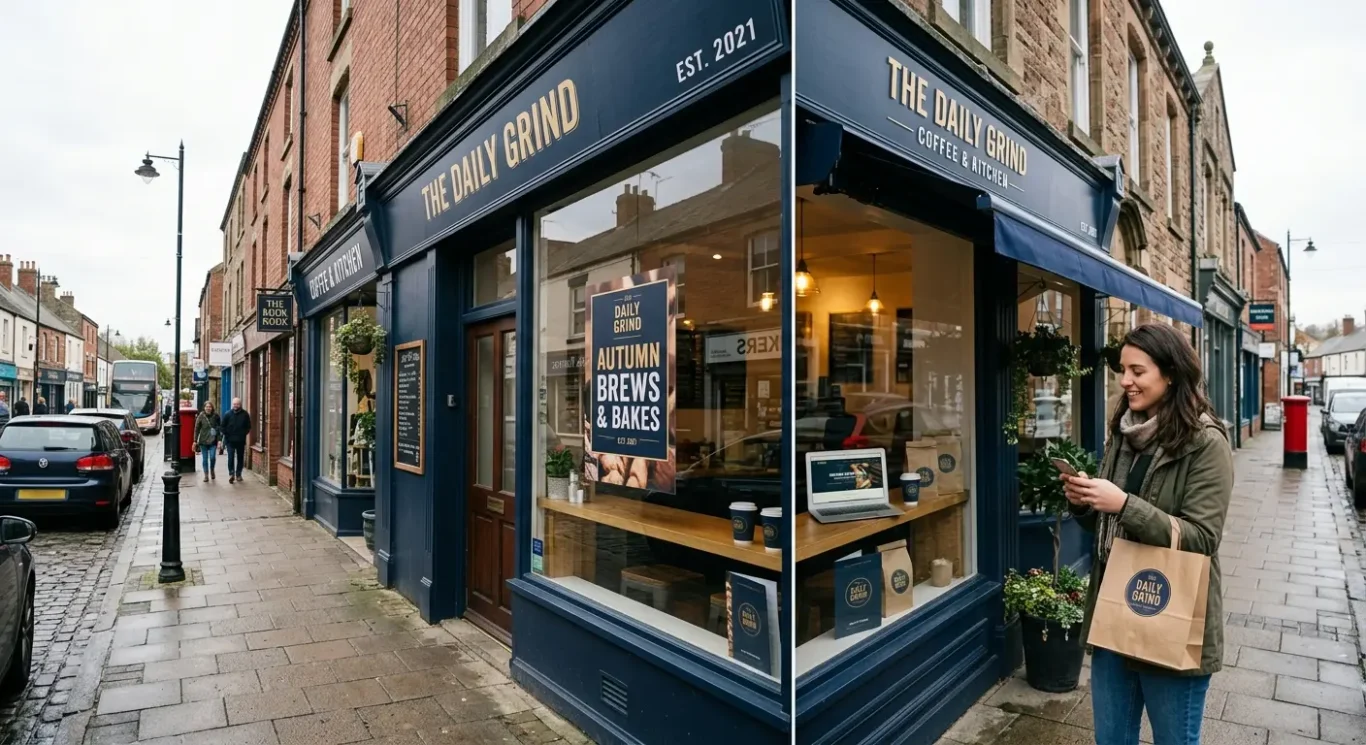
For a new business, trust often comes from repetition. A customer might first notice you on your website, then spot your social media graphics, receive an email signature, pick up a brochure, pass your signage or see your packaging. Those pieces do not need to be elaborate, but they should feel connected. When the colours, logo, type choices and overall style stay steady, people are less likely to feel confused and more likely to remember who you are.
Mixed signals create hesitation
Imagine someone finds your business on Instagram and sees a clean, modern style. They click through to your website and it looks dated and unrelated. Later, they are handed a printed leaflet or proposal that uses yet another logo treatment and different colours again. Nothing may be wrong with the offer itself, but the mismatch can make them pause. They may wonder whether they have the right company, whether the business is established, or whether details will be handled carefully.
That is why consistency is practical, not cosmetic. It helps customers recognise your business quickly and reduces the effort of working out who you are each time they see you. For busy people, familiarity matters. If your website, social posts, email signature and printed material all feel like they belong together, your business is easier to recall when someone is ready to enquire or buy.
This matters even more when you do not yet have years of reviews, referrals or a long track record behind you. Professional design helps create that steady appearance from the start, so even if you begin with only the essentials, each touchpoint supports the next. Over time, that consistency builds recognition, and recognition is a big part of trust.
DIY design often costs more later
Quick fixes can seem cheaper at the start, but they often lead to repeat work, wasted materials and time spent revisiting the same decisions.
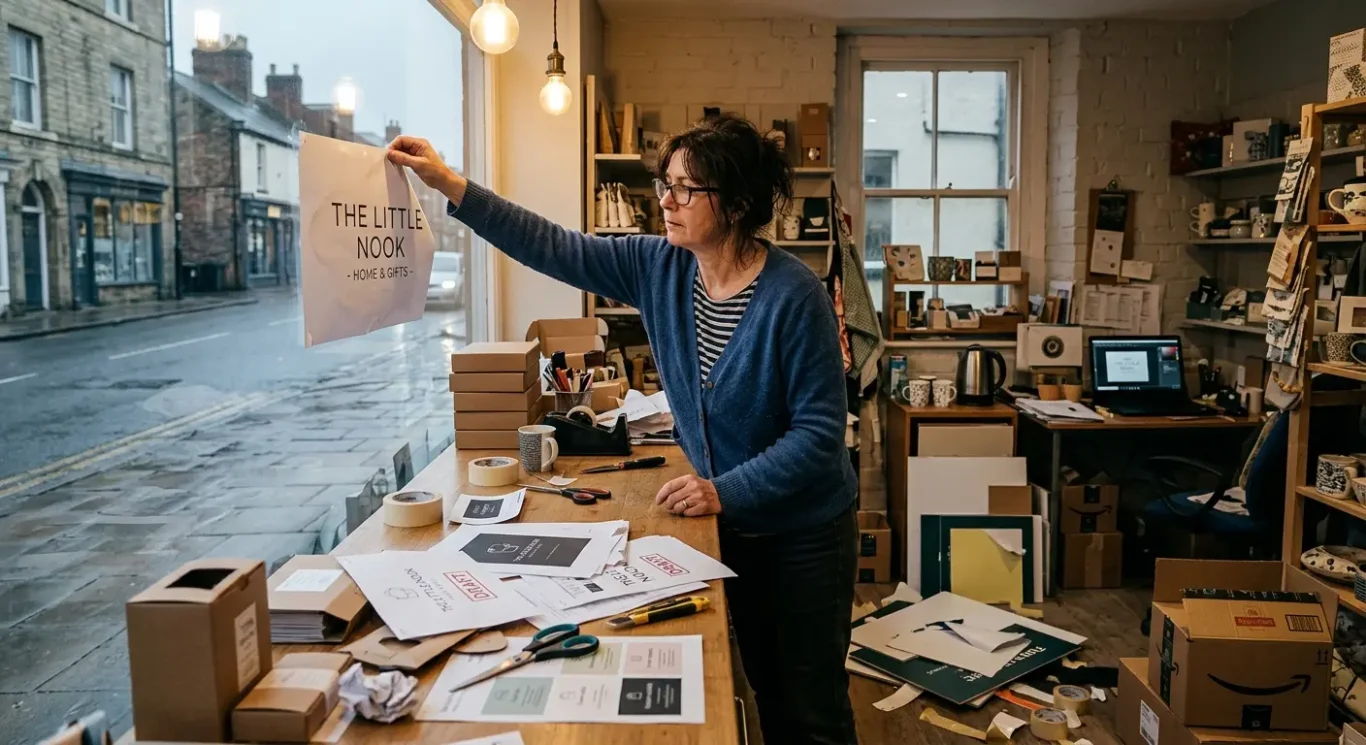
For many small businesses, doing the design yourself is a sensible way to get moving. The problem comes when those early choices are made in a rush and then have to be undone. A logo that looked fine on a social profile may not work on signage, packaging or a website header. A template chosen for speed may be hard to adapt for proposals, price lists or presentations. When that happens, the business ends up paying twice – once for the quick version, and again to replace it with something that actually works across day-to-day use.
The hidden costs add up quietly
These costs are not only about the logo itself. They show up in reprinted leaflets, replaced shop signage, updated social media graphics, new email signatures, revised document templates and websites that need a visual rebuild to bring everything into line. Even small changes can become a chain reaction. If the original design was never properly thought through, each new item becomes another point where someone has to stop, guess and adjust.
A common real-world pattern is this: a business starts with a low-cost logo, a DIY website and a few homemade marketing bits because it needs to launch quickly. That can be understandable. Then the business begins to get noticed. Perhaps a larger client asks for a proposal, a landlord wants polished signage, or an investor wants to see a more credible brand. Suddenly the original visuals no longer feel strong enough, so everything needs refreshing at once. The logo is redrawn, the website look is rebuilt, presentation slides are redone, and printed materials are replaced. What started as a saving turns into a larger, more disruptive job.
Your time has a cost too
There is also the cost of owner time, which is easy to underestimate. Hours spent wrestling with design tools, comparing fonts, resizing graphics or trying to make inconsistent colours match are hours not spent selling, serving customers or improving the business. Professional design is not about making everything elaborate from day one. It is about getting the core assets right early – the logo, colours, type choices, templates and overall look – so the business has a clear base to build on without constant second-guessing.
Good design helps customers take the next step
It makes information easier to find, easier to understand and easier to act on.
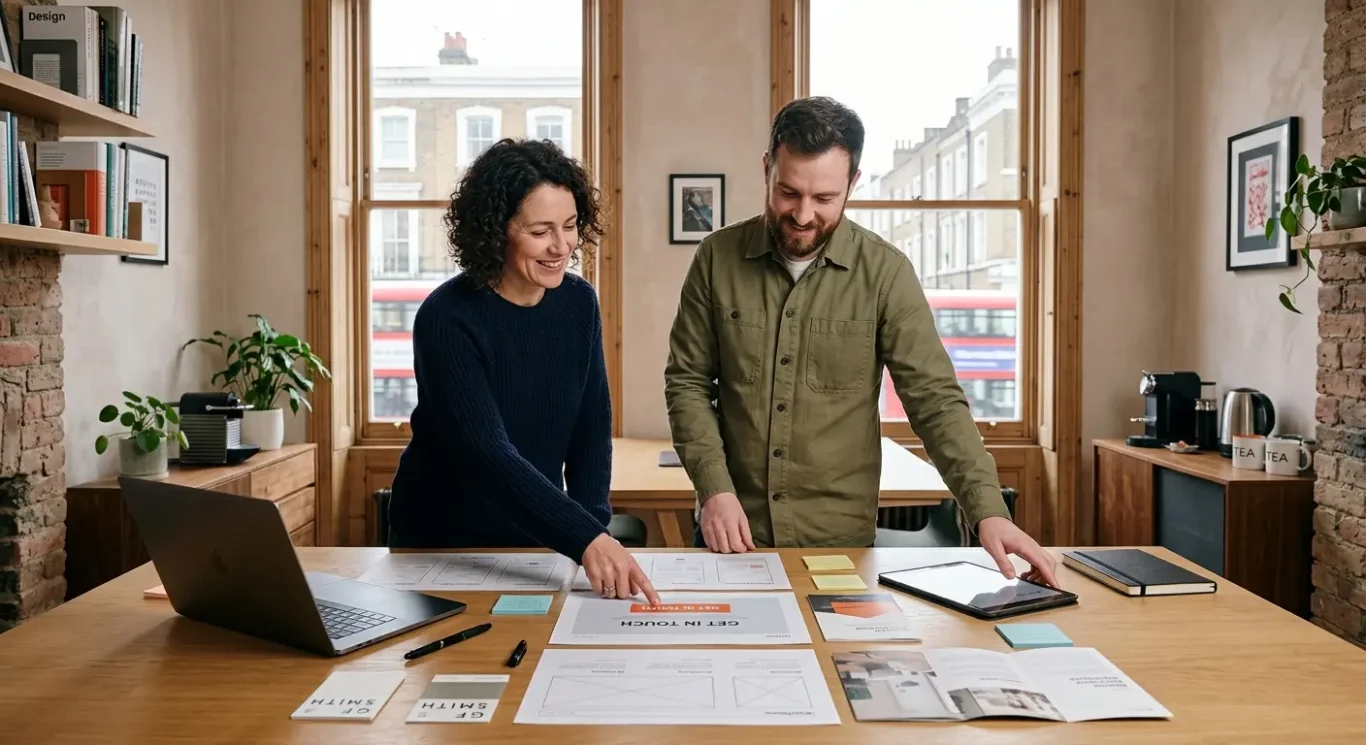
Good graphic design is not only about looking polished. It also helps people move through information without friction. Layout, hierarchy and calls to action all affect how quickly someone can see what you offer, what matters most and what to do next. Hierarchy simply means arranging information so the most important points stand out first, instead of asking people to work it out for themselves.
Busy customers do not want to hunt for answers
If a potential customer lands on your website, opens a brochure or picks up a menu, they are often making a quick decision. A cleaner quote form with clear fields, a visible phone number and a straightforward button to request a callback can make enquiring feel simple. A clearer service brochure can guide someone from your main offer to prices, case studies and contact details in the right order. A well-designed menu can help diners scan categories, prices and popular items without squinting or second-guessing.
When those details are handled well, customers are less likely to give up halfway through. They can compare services faster, understand what is included and feel more confident about getting in touch. That matters for small businesses because every enquiry counts, and every extra bit of confusion creates another chance for someone to put it off until later.
Professional design brings structure to these everyday moments. It can help make headings clearer, key messages easier to scan and calls to action more obvious, whether that is “Call now”, “Request a quote” or “Book a consultation”. For busy customers, that kind of clarity is not a nice extra. It is often the difference between thinking about buying and actually taking the next step.
Early design support gives you a stronger foundation
Getting the basics in place early makes future marketing quicker, easier and far more consistent.
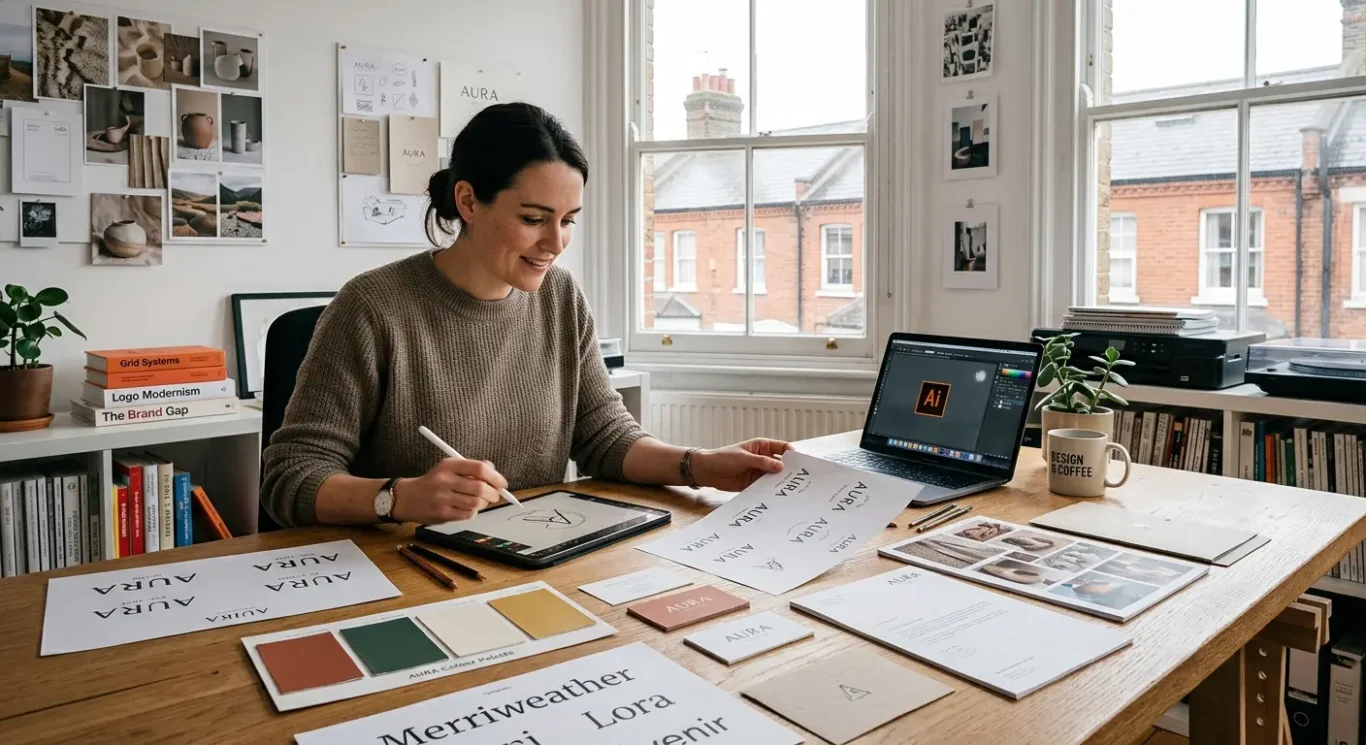
One of the biggest benefits of professional design at the start is that it gives your business a set of practical building blocks you can keep reusing. That usually means a logo suite for different sizes and formats, a colour palette, font choices, a few simple templates and a clear image style. You do not need a huge brand manual. You just need enough structure so your business stops looking different every time something new is created.
Those basics save time later. When your website needs updating, your designer or web developer already knows what colours, type and imagery to use. When you need an advert, a sales presentation or printed marketing materials, there is less guesswork and less back-and-forth. Everything feels like it comes from the same business, which makes your brand easier to recognise and trust.
A real-world example
Picture a startup getting ready for its first local launch or trade event. There is a banner to order, a one-page handout to prepare, slides to finish and social posts to schedule. If the core design assets are already sorted, those jobs move much faster. The logo works properly across print and screen, the presentation looks on-brand, the handout matches the website and the social graphics feel joined up rather than rushed together the night before.
The good news is that this can be scaled to suit your budget and stage of business. Early design support does not have to mean signing up for a full agency package. For some businesses, it is enough to start with the essentials and add more over time. The key is to put a usable foundation in place early, so every future piece of marketing has something solid to build on.
What to prioritise if your budget is tight
Focus first on the essentials your customers will actually see, then build the rest in stages.
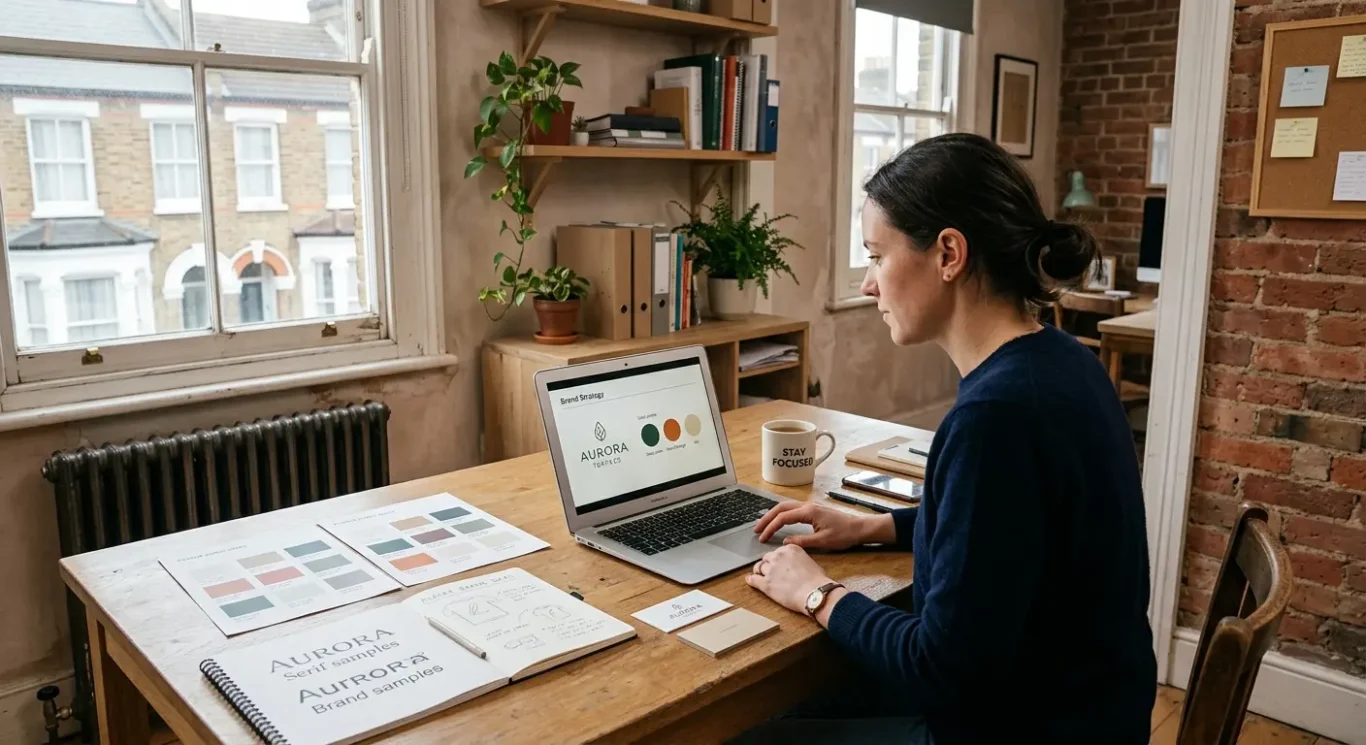
If money is tight, the aim is not to design everything at once. It is to get the few basics right so your business looks credible from the start. For many sole traders, local firms and early-stage startups, that usually means a professional logo, a small set of brand basics such as colours and fonts, a simple website look, and a few key templates for things like quotes, proposals or social posts. That is often enough to stop your business looking pieced together without stretching the budget too far.
Start where people meet your business
A practical way to decide what matters most is to look at where customers first come across you. If most people find you through your website, the website look and your core branding should come first. If you rely on referrals and send out quotes every day, branded quote and proposal templates may be more useful than a full brochure. If you trade locally, signage, vehicle graphics or a tidy flyer might deserve attention before anything else. The right order depends on how people buy from you.
Phased investment is usually the smartest approach. Start with the items that affect first impressions and day-to-day communication, then add more as the business grows. For example, you might begin with a logo, colour palette, font choices and a basic website style, then later invest in presentation slides, printed materials, packaging or advertising design. This spreads the cost and gives you time to learn what you actually use, rather than paying for assets that sit untouched.
The main thing is to avoid false economy. A rushed logo or inconsistent visuals can create extra work later when you need to redo your website, replace marketing materials or explain to customers that all these different-looking things belong to the same business. Even on a careful budget, a small amount of professional design in the right places can give you something solid to build on and save time as your business starts to move.
Choosing the right graphic design support
What to look for so you can choose with confidence and avoid costly guesswork later
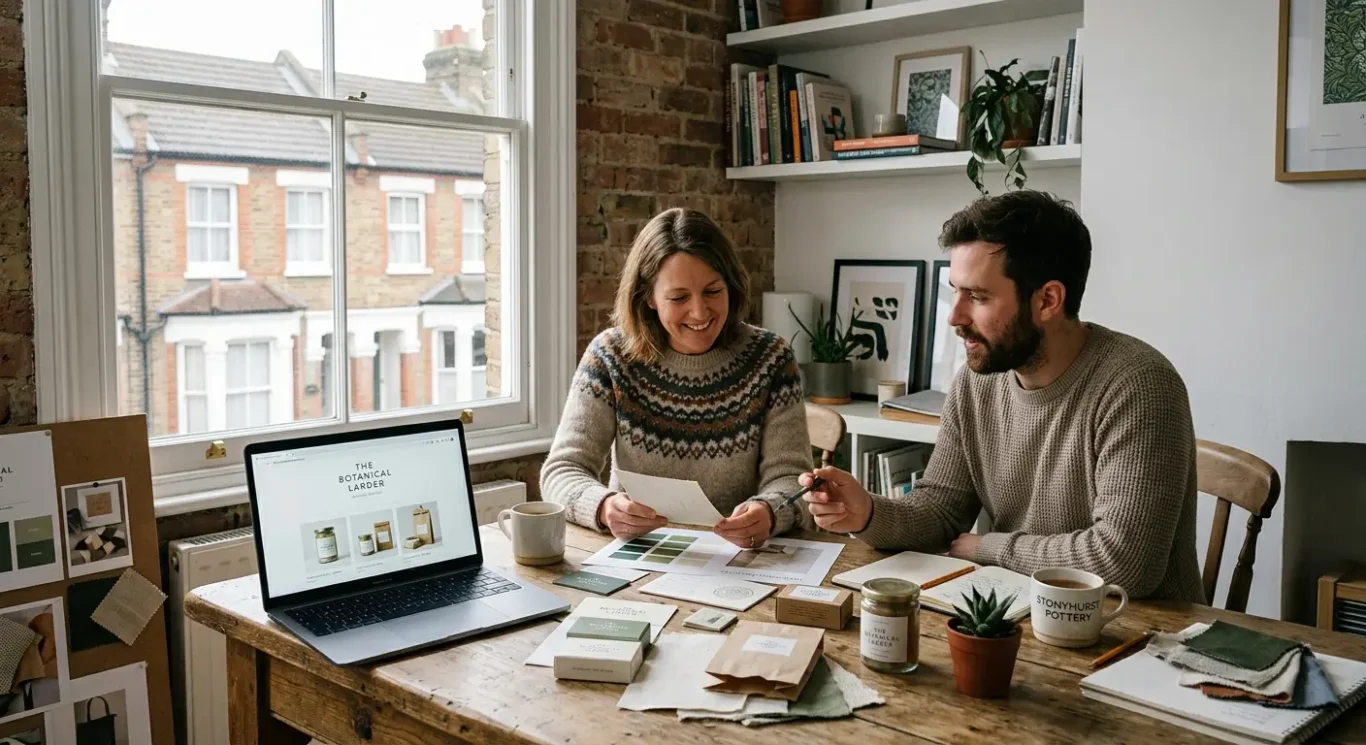
Once you have decided to invest in design, the next step is choosing support that fits your business. A good place to start is the portfolio. Look for work that feels consistent, well thought through and relevant to the type of business you run. That does not mean a designer must only have worked in your sector, but it should be easy to see that they can create a clear, professional look and apply it properly across real projects.
Think beyond the logo
It is also worth asking how they will carry your brand across different media, not just design a logo. In practice, that means checking how your visual identity will show up on your website, social posts, presentations, packaging, signage or printed materials. A logo on its own is only one part of the picture. What usually makes a business look established is how everything works together day to day.
Clear communication matters just as much as creative skill. You should know what is included, what files or templates you will receive, and what the process looks like from start to finish. Agreed deliverables simply means everyone is clear on what is being produced, such as a logo, brand colours, font choices and a few practical templates. That clarity saves time and helps avoid misunderstandings when you are already busy.
Finally, choose someone who takes the time to understand your business goals. A designer does better work when they know who your customers are, where people first meet your business and what you need the design to help you achieve. You do not need a big agency setup or a long shopping list of services to get this right. You just need support that is thoughtful, relevant and easy to work with.
FAQ
Words from the designers
We often see the same pattern with small businesses at the start: they patch things together quickly, then a common problem appears when every customer touchpoint looks slightly different. We often see this create hesitation before anyone has even picked up the phone. One practical fix in professional design work is agreeing the core visual direction first, before applying it to items like the logo, website and marketing material, so the business does not end up looking like several different versions of itself.
If you want a calm judgement call, it is this: for most small businesses, professional graphic design from day one is usually the more sensible choice when your brand needs to build trust quickly and be used across real day-to-day materials, not just look acceptable for now.